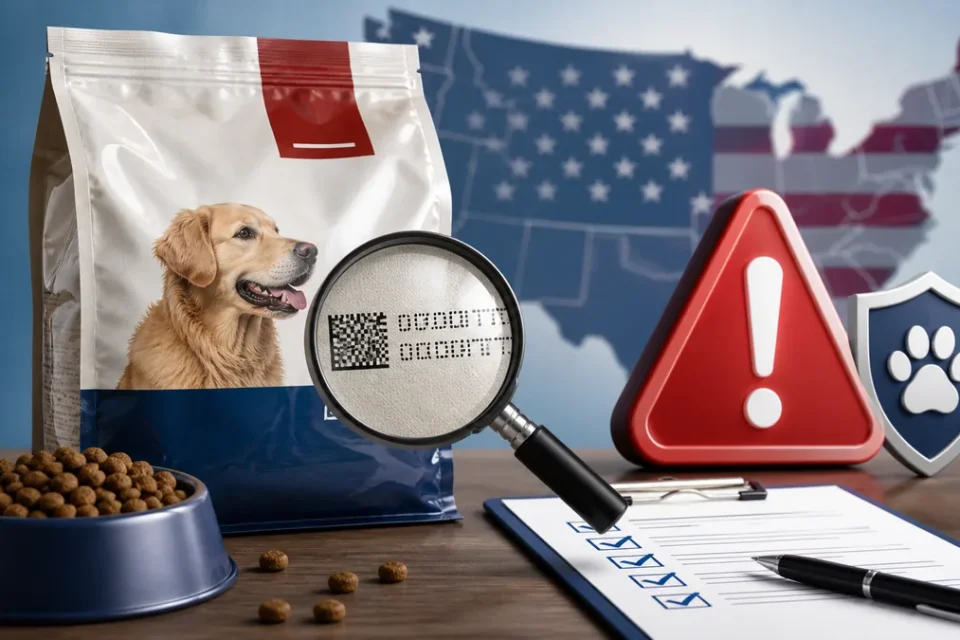
A dog-food recall usually affects specific products, package sizes, dates or lot codes—not every bag sold under a similar name.
The short answer
Keep the package, compare the product name and lot code with the FDA notice, stop using an affected product and follow the company’s return or disposal instructions.
Where to find the identifying information
Look near the best-by date, seal or back label for the lot code and manufacturing information. Take a clear photograph before discarding anything. A social post that omits package size and lot number is not enough to determine whether your food is affected.
What to do with an affected product
Prevent children and animals from accessing it, and do not donate or resell it. Follow the recall notice for disposal or return. Clean bowls, scoops and storage containers when contamination is possible, then wash your hands.
When to contact a veterinarian
Call a veterinarian if your pet ate recalled food or develops vomiting, diarrhea, unusual tiredness, loss of appetite, weakness or other concerning signs. Symptoms and urgency depend on the hazard; do not use a home remedy as a substitute for professional advice.
How to report a problem
Keep receipts, packaging, the remaining food and veterinary records. The FDA provides channels for reporting pet-food complaints. Useful reports identify the product precisely and describe the timing, amount eaten and symptoms without assuming a cause.
Practical checklist
- Match brand, recipe and package size
- Compare lot and best-by date
- Stop use only when the notice applies
- Keep photographs and receipt
- Contact a vet about symptoms
What to verify before you act
Recall notices can be expanded. Recheck the official page for updates instead of relying on the first screenshot you saw.
Frequently asked questions
Why is this topic trending now?
Search interest has risen, but a search trend alone does not prove that a viral claim is accurate. This guide separates confirmed information from assumptions.
What is the best first step?
Start with the official source linked below, check its update time and confirm that the information applies to your location and circumstances.
Official sources
Information checked on August 20, 2026. Rules and live situations can change, so verify the official source before acting.
Related : more practical safety guides
How to use this guide efficiently
For dog food recall, define the exact question first: are you checking a live outage, a date, eligibility, a safety action or an unconfirmed report? Open the primary source in a separate tab and compare its location, publication time and scope with your circumstances. This prevents a technically accurate but outdated answer from driving the wrong decision. If sources conflict, give more weight to the competent authority and the most recent dated update. A lack of official confirmation should be described as uncertainty, not turned into a definite denial or confirmation.
A three-stage action plan
Now: take only the urgent, reversible steps described above. Next: save relevant lot numbers, receipts, screenshots, correspondence or reference numbers. Later: recheck the official page when the situation is likely to change. For an immediate health threat, fraud, physical danger or legal deadline, an online guide cannot replace emergency services or a suitably qualified professional. The purpose of “Dog food recall: How to check lot codes and protect your pet” is to help readers ask better questions and avoid acting on a viral headline alone.
Warning signs that require another check
Be cautious when a message demands immediate payment, asks for a password or verification code, guarantees an outcome, or provides no date and no primary source. Check names, model numbers, units, time zones and geography. Save the official URL rather than relying on a screenshot because live pages can carry corrections, expanded recall ranges, changed schedules or updated instructions.
Keeping the information useful
Share the conclusion together with its source and check time. Do not crop away qualifications or eligibility limits. If you return later, repeat the core check instead of assuming the situation stayed unchanged. This small discipline makes practical search content safer and more useful.