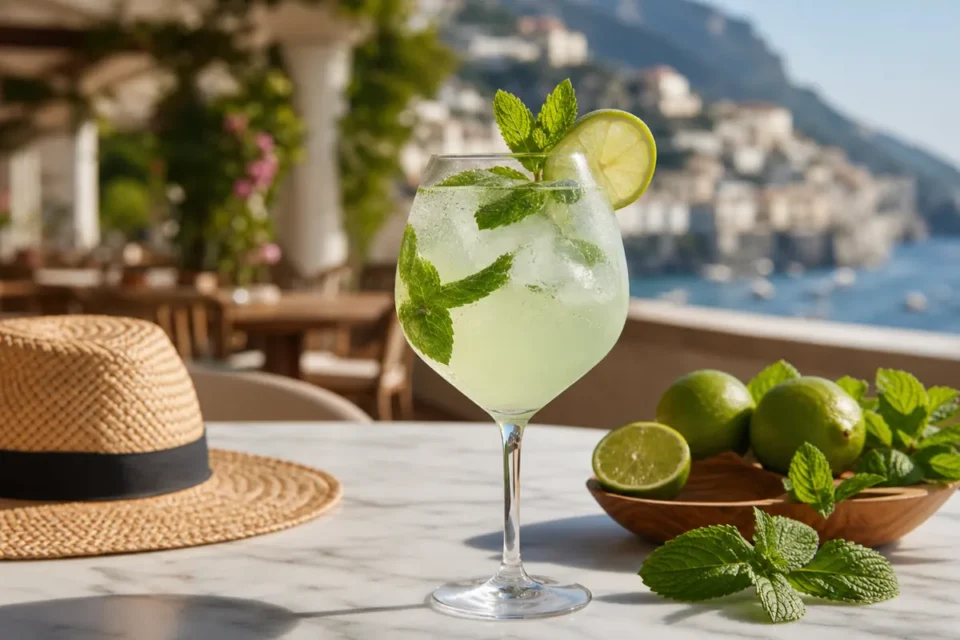
A Hugo Spritz is a sparkling cocktail commonly made with sparkling wine, elderflower liqueur or syrup, soda water, mint and lime. Proportions vary with taste and the product used.
Verified facts
- Fill a large glass with ice.
- Use roughly three parts sparkling wine to a smaller part of elderflower.
- Top with a splash of soda water.
- Add mint and lime without crushing the leaves excessively.
What still needs verification
Alcohol content depends on the ingredients and amounts. A non-alcoholic version can use alcohol-free sparkling wine and elderflower syrup.
How to follow a reliable update
Start with the original source and note its date. A screenshot, summary account or social headline can remove an essential qualification. Compare it with a second established source when the story is changing quickly. If a newer report conflicts with an older one, recency alone is not enough: check who has direct authority or access to the facts.
Be cautious with precise details that have no document behind them: an amount, cause, time, list of names or quotation. Precision can look credible while still being invented. This article separates confirmed facts from unknown elements so the answer remains useful without turning a rumor into certainty.
Frequently asked questions
Why was the earlier headline updated?
A story published during a trend must be corrected when a result, date or confirmation becomes available. Keeping an outdated formulation would mislead readers and search engines.
How do I know whether information is official?
Look for a publication from the organizer, authority, company or people directly involved, then verify its address and date.
Primary source
St-Germain — Hugo Spritz recipe
Read the related updated version
How “Hugo Spritz: recipe, proportions and cocktail background” was verified
This page was rebuilt to replace the original short brief with a dated, checkable answer. The method uses four levels: a source with direct responsibility, a specifically attributed fact, a visible separation between confirmation and uncertainty, and an update when the outcome becomes known. A trend article should not remain written in the future tense after the event has happened.
- Open the source: a link should lead to the original publication, not a context-free screenshot.
- Check the date: information that was accurate when published may be outdated days later.
- Match the scope: the person, location, competition, venue or service must be exactly the same.
- Notice cautious language: “reported”, “possible” and “confirmed” are not interchangeable.
- Return after the outcome: a denied rumor, finished match or published decision requires a headline and text correction.
Before sharing
Summarize the fact in one sentence without adding a cause, amount, date or reaction absent from the source. Include the link and consultation date. When a person is involved, avoid private details and misleading images. For a procedure or payment, take action only through an official channel opened independently.
A viral post can contain one accurate element surrounded by invented details. Verify each decisive claim, not merely the general topic. When a source corrects its own report, that correction should be reflected here visibly.
Why the page remains useful
Context, chronology and sourcing help readers understand the event after the search spike. They also prevent an old formulation from being mistaken for a new announcement. The page will be updated if a more direct source changes the facts presented.