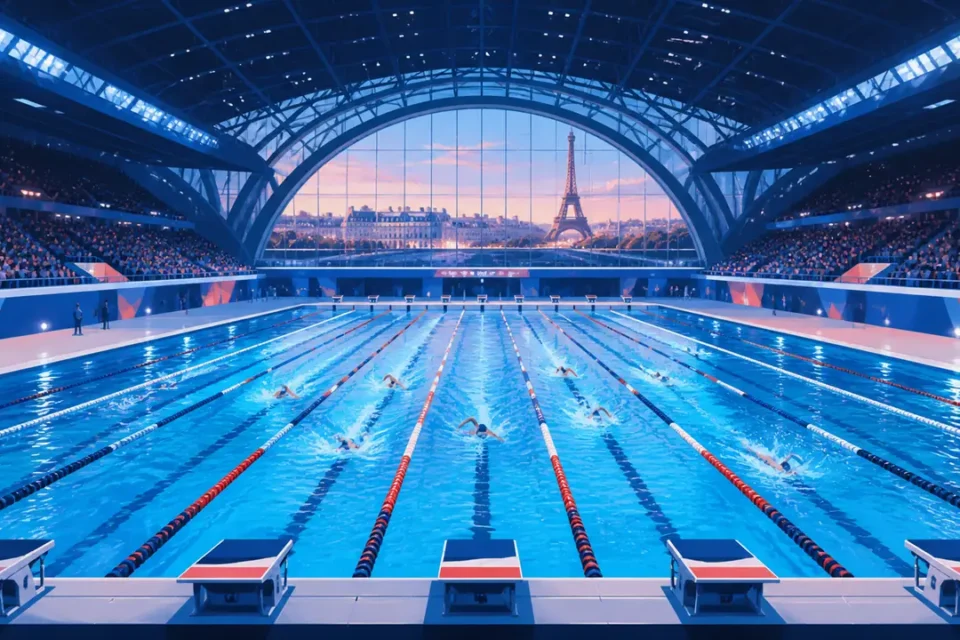
The 2026 European Aquatics Championships take place in Paris and Saint-Denis from July 31 to August 16. La compétition suscite des recherches sur le programme, les disciplines, les résultats et les moyens de la suivre. Voici les repères utiles sans confondre calendrier prévisionnel, résultats et informations de diffusion.
Which disciplines are included?
L’événement réunit notamment natation course, plongeon, natation artistique, eau libre et plongeon de haut vol. Les lieux et journées de compétition peuvent varier selon la discipline. Le Centre Aquatique Olympique de Saint-Denis figure au cœur du rendez-vous pour plusieurs épreuves.
How to find the right schedule
Le plus fiable est de partir de la fédération ou de l’organisateur, puis de vérifier la journée concernée. Les horaires de séries, demi-finales et finales évoluent parfois selon le déroulement sportif ou la diffusion. Une publication sur les réseaux sociaux n’est pas suffisante si elle ne cite pas la source officielle.
How not to miss a final
- Repérez la discipline et la journée.
- Ajoutez les horaires dans votre fuseau.
- Vérifiez la veille les changements éventuels.
- Utilisez le diffuseur annoncé ou l’organisateur.
- Consultez les résultats officiels après l’épreuve.
Bottom line
Les Championnats d’Europe de natation sont un rendez-vous majeur à domicile ; programme et résultats doivent être suivis auprès des canaux reconnus. Source : FFN.
À lire aussi : Pourquoi un match de préparation ne se résume pas au score ?
What can be stated and what requires caution
A news article should separate facts announced by an identifiable source, documented background and interpretation. The date and organization or person behind the announcement should be clear. Missing information must not be filled with a rumor, assumed cause, unpublished figure or invented reaction.
For a sports event, use the organizer’s schedule and check the time zone. For a biography or death, respect privacy and do not attribute statements to a family without a source. Schedules, broadcasters and ceremonies may change, so return to the official page before travelling.
How to follow an update
- Note the publication date and time of the latest confirmed information.
- Open the original source rather than a cropped screenshot.
- Separate an official announcement, eyewitness account and commentary.
- Correct changed information visibly instead of silently removing the context.
For search, a precise headline helps more than a sensational formula. Put the answer near the beginning, then add context, limitations and useful links. This structure lets readers understand what is certain without confusing speed with accuracy.
Why the method protects readers
A story may attract attention for a few hours, but a lasting error damages trust and search performance. Giving the source, date and uncertainty keeps an article useful after the immediate search spike.
A five-minute check for “European Aquatics Championships 2026: schedule, disciplines and how to follow Paris”
- Date: open the original notice and find its latest update, not only the date of a page summarizing it.
- Scope: confirm that the country, region, product, agreement or event really matches your situation.
- Decisive detail: record the lot, time, domain, rate, warning level or other reference that prevents an overly broad conclusion.
- Channel: take action through the official website or app opened independently.
- Evidence: keep the notice, receipt or useful screenshot with the consultation date.
Three common mistakes
The first is acting on a headline without reading the limits of the notice. The second is sharing a screenshot that has no date or source link, allowing it to circulate after a correction. The third is confusing general information with an individual instruction. Public guidance supports a decision, but the agreement, case, product or local warning remains the reference.
If two credible sources conflict, do not select the more dramatic one. Compare their update times and return to the organization with direct responsibility. Display an important correction clearly so readers who saw the earlier version understand what changed.
Key takeaway
Useful information should support a proportionate action: verify, prepare, contact or wait. It should not manufacture urgency. Take a few minutes to confirm the scope before paying, travelling, discarding a product or changing an agreement.