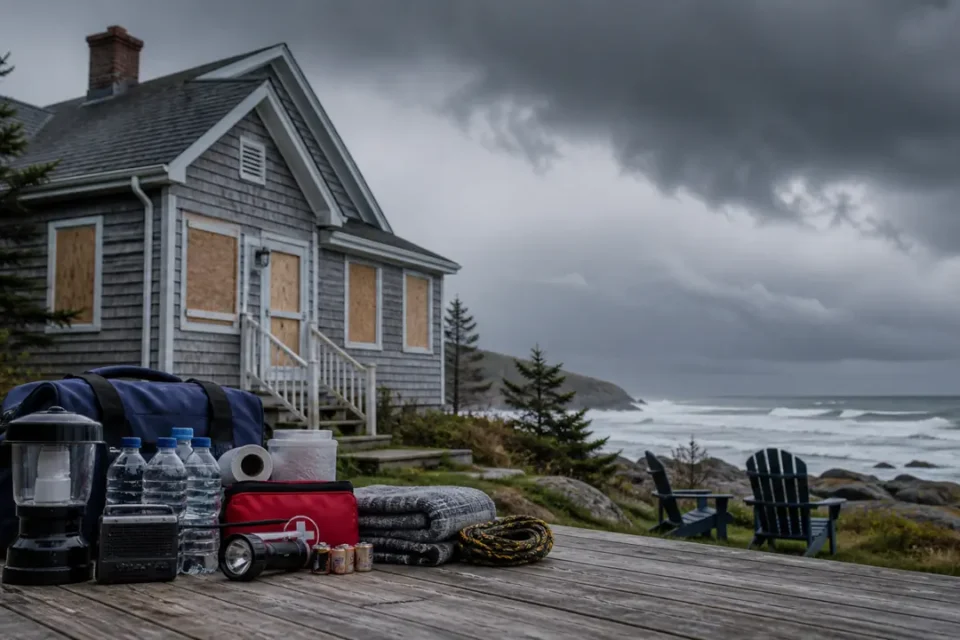
Canada’s Atlantic hurricane season runs from June 1 to November 30, with August and September usually the busiest period. Current searches for hurricanes are rising. Preparation should begin before a watch or warning: build an emergency plan, enable official alerts and know where to go if coastal flooding or evacuation becomes a risk.
What is the 2026 Canadian hurricane outlook?
Environment and Climate Change Canada forecast a below-average North Atlantic season with 8 to 14 named storms, 3 to 6 hurricanes and 1 to 3 major hurricanes. A seasonal number does not predict local safety. One storm can still produce severe wind, rain, waves and flooding in Atlantic Canada.
Where should Canadians track a hurricane?
Use the Canadian Hurricane Centre, Canada.ca/weather, the WeatherCAN app and provincial emergency information. Alert Ready can deliver urgent messages to compatible phones. A social-media map without a timestamp should not guide evacuation decisions.
What belongs in an emergency kit?
- Water and food for the household.
- Medication, first aid and essential health supplies.
- Flashlights, batteries, radio and power banks.
- Identification copies and key contacts.
- Pet supplies and items for children or older adults.
- Cash and basic hygiene supplies.
How do you prepare the home?
Clear drains, secure outdoor furniture, inspect roofs and windows, trim dangerous branches and check sump pumps. Coastal households should identify an inland location on higher ground. Review insurance before a storm exists; coverage cannot be assumed after damage begins.
What is the difference between a watch and a warning?
A watch means hurricane conditions may threaten the area and preparations should accelerate. A warning means conditions are occurring or expected soon. Follow the exact timing and area in the official alert rather than relying on the storm’s centre line.
Should you evacuate?
Leave when authorities advise it. Do not stay in a mobile home when a hurricane is imminent. Take the emergency kit, medication and pets, tell a contact where you are going and use the designated route. Never drive through flooded water.
Are generators safe indoors?
No. Portable generators produce carbon monoxide and must remain outdoors at a safe distance from buildings, windows and vents. Never operate one in a garage, even with the door open, and never backfeed a home through an outlet.
What happens after the storm?
Wait for official clearance. Stay at least ten metres from downed lines, avoid unsafe water and photograph damage only when conditions are safe. A post-tropical storm can remain powerful; the change in name does not mean the hazard is over.
Official guidance
See Canada.ca hurricane preparation. Updated August 16, 2026.
Related guide: what to do during a power outage.
How much water should the kit contain?
Emergency guidance should be adapted to household size, health needs and the expected duration of disruption. Store water in suitable containers, rotate supplies and include a safe way to receive local instructions. People with medical dietary needs should discuss a practical plan before hurricane season.
How should documents be protected?
Keep insurance details, identification copies, medication lists and emergency contacts in a waterproof portable folder, with secure digital copies where appropriate. Do not post evacuation plans or empty-home details publicly. Photograph property before a storm to support an accurate insurance record.
What about pets and farm animals?
Include food, carriers, medication and identification in the plan. Confirm which shelters accept animals. Farms require a location-specific plan prepared well in advance; moving livestock after winds intensify may be more dangerous than the original shelter strategy.