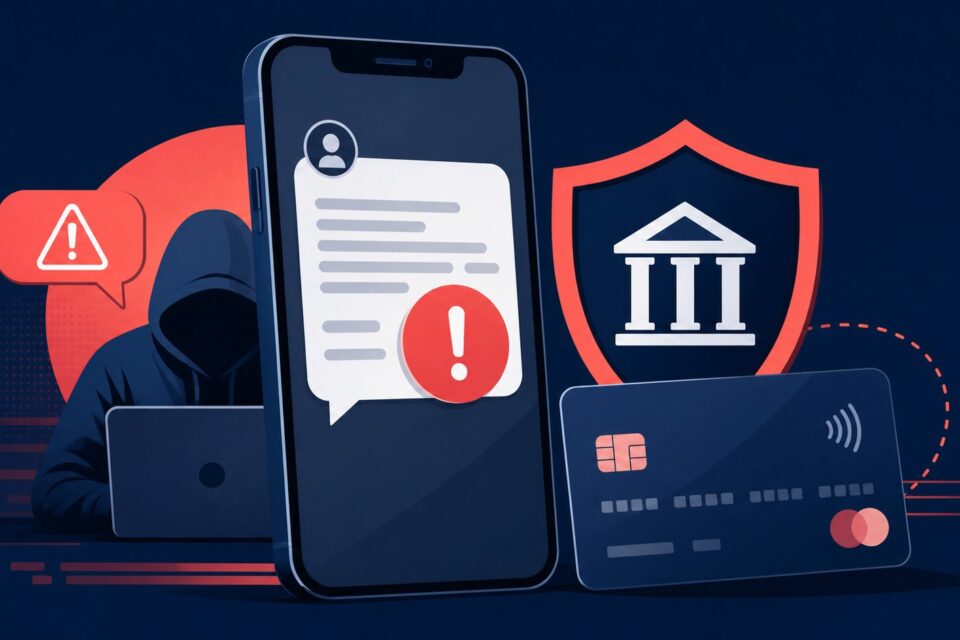
A tech support scam tries to frighten you with a supposed virus, blocked screen or unexpected invoice. Its goal is to make you call an impostor, install remote-control software or pay for a repair you never needed.
Quick answer
A genuine security message does not tell you to urgently call a number shown inside a web page. A legitimate technician will not demand gift cards, cryptocurrency or a bank transfer to “protect” your money.
Why this trap works
The approach may begin with a full-screen page, phone call, search advertisement or renewal email. The scammer borrows a well-known company name, speaks urgently and claims that data loss or a charge is imminent.
The safest method is to slow down, leave the channel creating pressure and return through a known source. An independent check usually takes far less time than recovering an account or disputing a payment.
Step-by-step checks
-
Do not call a number displayed inside a warning pop-up and do not use its diagnostic button.
-
Try to close the tab or browser. If it appears stuck, close the application through the operating system or restart the device.
-
Do not install remote-access software at the request of an unexpected contact.
-
Never disclose a password, banking code or multi-factor authentication code.
-
To verify a subscription, open your provider account directly and check the bank statement.
-
Update the operating system and security software, then run a scan with a trusted tool.
-
If help is genuinely needed, use the manufacturer’s official contact details or a professional you already trust.
-
Save screenshots, numbers, receipts and software names before reporting the scam.
The point people miss
A genuine security message does not tell you to urgently call a number shown inside a web page. A legitimate technician will not demand gift cards, cryptocurrency or a bank transfer to “protect” your money.
Do not decide from one signal alone. A padlock, logo, sender name or top search position can all be copied. Combine the address, context, request and an official channel found independently.
What to do after a click, entry or payment
If someone controlled the computer, disconnect it, remove the remote-access tool and have the device checked. From a separate clean device, change exposed passwords and contact the bank. Ask about blocking or disputing payments and report the incident through the appropriate authority.
Act first on what can still be blocked: a session, password, card or payment. Document the incident afterwards. Do not delete messages or logs before preserving useful evidence.
Frequently asked questions
Does a full-screen warning mean Windows is infected?
Not necessarily. A web page can imitate a blocked computer. Close the browser without calling the displayed number.
Should I pay if the person performed work?
Do not pay a contact reached through a fraudulent alert. Contact the bank if a payment has already been made.
Can I keep the remote-access software?
Remove it unless you knowingly need it, and check that permanent unattended access was not enabled.
Official sources and update policy
This article prioritizes public or institutional sources. Interfaces and procedures can change, so verify the relevant service’s current instructions before a sensitive action.
A safe independent verification routine
When a message, page or caller asks you to act, write down the claim without using the supplied link or phone number. Close the contact, open the organization’s official app or a bookmark you already trust, and look for the same alert there. If the issue is not visible, contact the organization through details printed on an existing statement, card or official website. Describe the claim without sharing a password or one-time code. This separate route prevents the original sender from controlling both the warning and the supposed solution.
Keep a short record of the time, displayed address, sender and action requested. That information helps a provider investigate and helps you explain the incident to a bank or reporting service. It also avoids repeated clicking while you try to remember what happened.